50 QR Code Ideas for Small Businesses (2026)
50 practical, creative ways small businesses use QR codes — across marketing, menus, retail, events, packaging, and customer service — plus tips to make sure they actually get scanned.
A QR code is one of the cheapest bridges in marketing: it connects something physical — a flyer, a window, a receipt, a product — to anything you want online. Print one, and any phone in the room becomes a doorway to your menu, your booking page, your reviews, or your offer.
The trouble is most businesses use QR codes for exactly one thing (usually a menu) and stop there. So here are 50 practical ideas across every corner of a small business — plus a few tips at the end to make sure they actually get scanned.
Tip: wherever a code links to a page you might change later — an offer, a menu, a promo — use a dynamic QR code so you can update the destination without reprinting. More on that at the end.
Marketing & promotion
- Link a flyer or poster to your website or a landing page.
- Put a code on business cards that opens your digital card or portfolio.
- Add one to print ads so you can measure how many people respond.
- Link to a special offer or coupon — trackable, and easy to expire.
- Drive scans to your Instagram, TikTok, or link-in-bio page.
- Put a code on your vehicle or storefront window for after-hours interest.
- Link to a short promo video or product demo.
- Add a code to direct mail to bring offline mail online.
- Turn a billboard or bus-stop ad into a measurable campaign.
- Link to a newsletter signup to grow your email list.
Restaurants & cafés
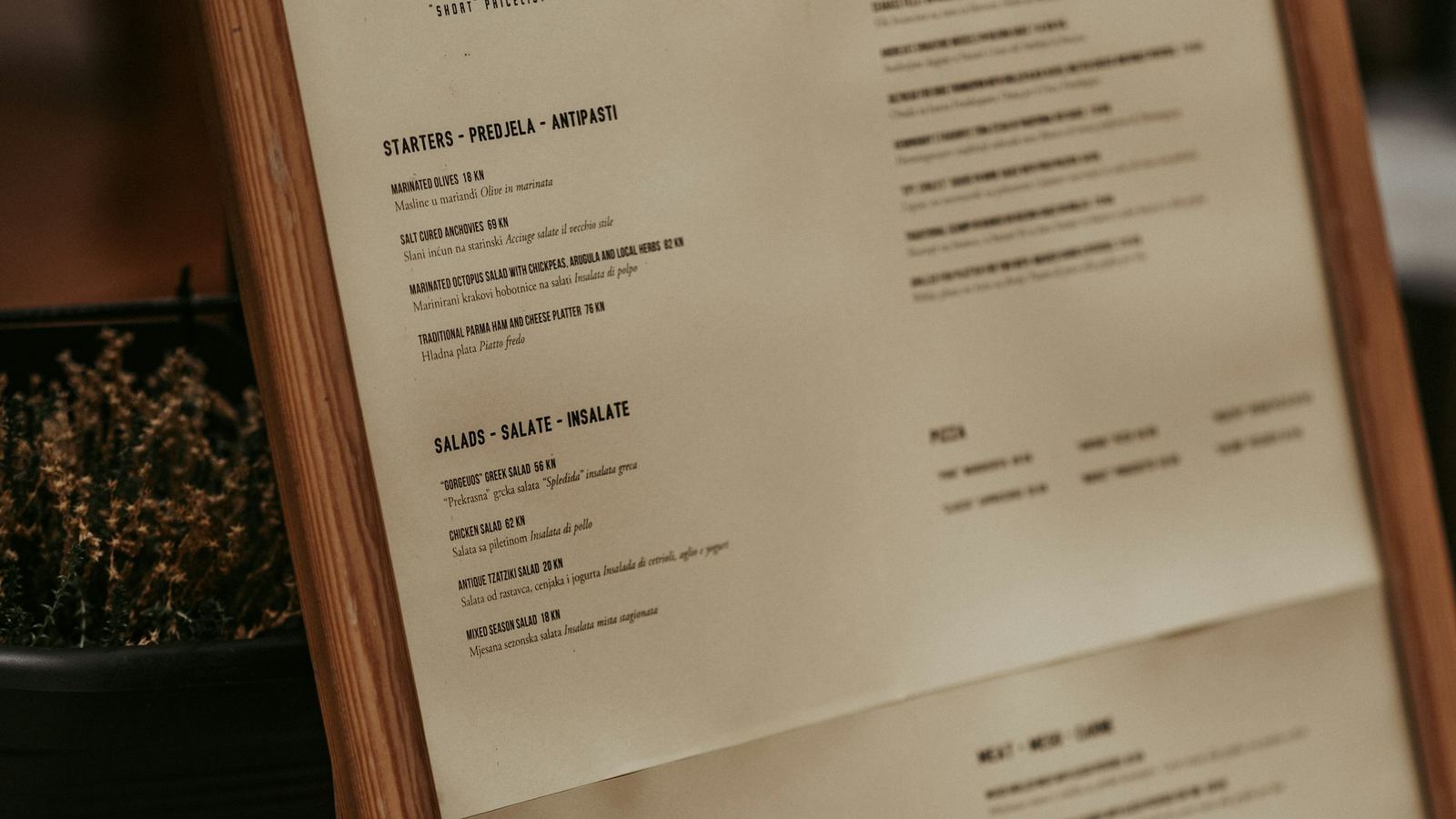
- A QR-code menu diners scan at the table — no app needed.
- A code for online ordering or reservations.
- Table tents linking to today's specials.
- A "leave us a review" code near the exit or on the receipt.
- Link to your loyalty program or a digital punch card.
- A code on takeaway packaging that reorders in one tap.
- Link to allergen or nutrition info to keep menus tidy.
- A Wi-Fi QR code so guests connect without asking for the password.
- A code that plays your playlist or shows event listings.
- Catering or private-event inquiry forms.
Retail & products
- Link product packaging to how-to guides or care instructions.
- Shelf talkers that open reviews or a size guide.
- A code that reveals a product's story or sourcing.
- Link to restock alerts or "notify me" signups.
- A warranty or registration page on the box.
- Hang tags that link to styling ideas or a lookbook.
- A code on the receipt for a post-purchase discount.
- Link to a user manual instead of printing a booklet.
- In-store signage that opens an online catalog for out-of-stock items.
- A code for authenticity verification on premium goods.
Events, markets & pop-ups
- Event tickets with a scannable check-in code.
- A registration or RSVP code on invitations and posters.
- Name badges that share attendee contact details.
- A code at a market stall that opens your full shop.
- Link to an event schedule or map.
- A feedback form attendees scan on the way out.
- A code on a booth banner at a trade show to capture leads.
- Link to photos or a highlight reel after the event.
- A donation code for fundraisers and nonprofits.
- A social wall or hashtag prompt to boost engagement.
Print, signage & packaging
- Add codes to brochures and catalogs to link deeper content.
- A "scan for directions" code on your storefront.
- Link real-estate yard signs to a listing or virtual tour.
- A code on appointment cards to book the next visit.
- Instruction cards for a service, linking to a video.
- A code on gift cards to check the balance.
Customer service & internal use
- A support or FAQ code so customers self-serve.
- A "rate your experience" code at the point of service.
- A code that opens a booking or callback request.
- Staff-facing codes for checklists, training, or equipment manuals.
Make sure they actually get scanned
A QR code only works if people can — and want to — scan it. A few rules:
- Add a call to action. "Scan for the menu" beats a bare code every time.
- Make it big enough. As a rough guide, keep it at least 2 × 2 cm / 0.8 inches, larger for anything scanned from a distance.
- Keep good contrast (dark code on a light background) and leave a quiet zone — clear space — around it.
- Test it with a couple of different phones before you print a thousand.
- Use a dynamic code for anything that might change, so you can edit the destination — and see the scans — without a reprint.
That last point is the difference between a static code (fixed forever) and a dynamic one you control. With Drentio you can create dynamic, trackable QR codes for any of the ideas above — edit where they point anytime, add your logo and colors, and see who's scanning.
Pick an idea and try it
Create a dynamic, trackable QR code with your logo — free to start, editable anytime.