Halloween 2026: History, Traditions & Fun Ways to Celebrate
When is Halloween 2026? The date, the ancient history behind it (Samhain, Stingy Jack, All Hallows' Eve), traditions around the world, fun facts, and the best ways to celebrate.
There's a particular kind of evening that only comes once a year: porch lights glowing, the air gone crisp and woodsmoke-sweet, and small ghosts and superheroes making their careful way up the front walk. Halloween is equal parts spooky and sentimental — a night when whole neighborhoods step outside, and even grown-ups get to play pretend.
But behind the candy and the costumes sits one of the oldest, strangest holidays we still celebrate — a festival that's wandered across two thousand years and an ocean to end up on your doorstep.
When is Halloween 2026?
Halloween 2026 falls on Saturday, October 31. It lands on the same date every year — always October 31, the eve of All Saints' Day. A Saturday is about the best draw Halloween can get: no school or work the next morning means longer trick-or-treating, bigger parties, and a little more mischief than usual.
What is Halloween?
At its simplest, Halloween is a night of costumes, candy, and friendly frights. But the name is a clue to something older: "Halloween" is a worn-down version of "All Hallows' Eve" — the evening before All Hallows' (All Saints') Day on November 1. It sits at the turn of the season, when the bright half of the year tips into the dark, and it has always carried a whiff of the otherworldly.
The ancient history of Halloween
Halloween's roots reach back some 2,000 years to the Celtic festival of Samhain (pronounced SAH-win), marking the end of the harvest and the beginning of winter. The Celts believed that on the night of October 31, the boundary between the living and the dead grew thin, and spirits could slip back into the world. People lit great bonfires and wore disguises — often animal skins — to ward off, or blend in with, whatever might be wandering.
As Christianity spread, the church placed All Saints' Day on November 1 and All Souls' Day on November 2. The night before kept its old character but took a new name — All Hallows' Eve. Centuries later, waves of immigrants, especially the Irish and Scottish arriving in 19th-century America, brought their Halloween customs with them, and the holiday slowly grew into the candy-and-costumes celebration we know today.
Where our traditions come from
Nearly every Halloween ritual has a surprisingly old story behind it.
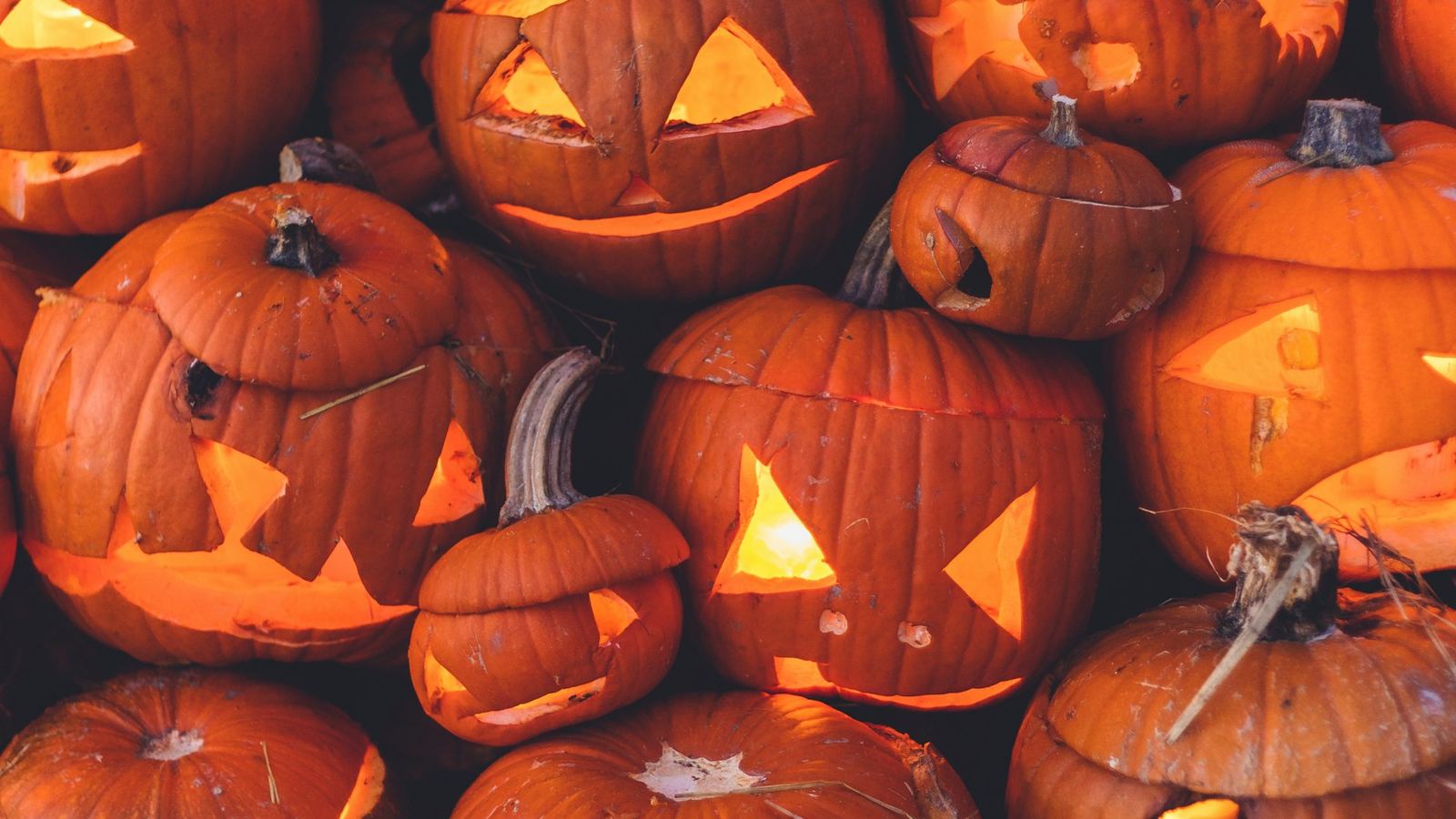
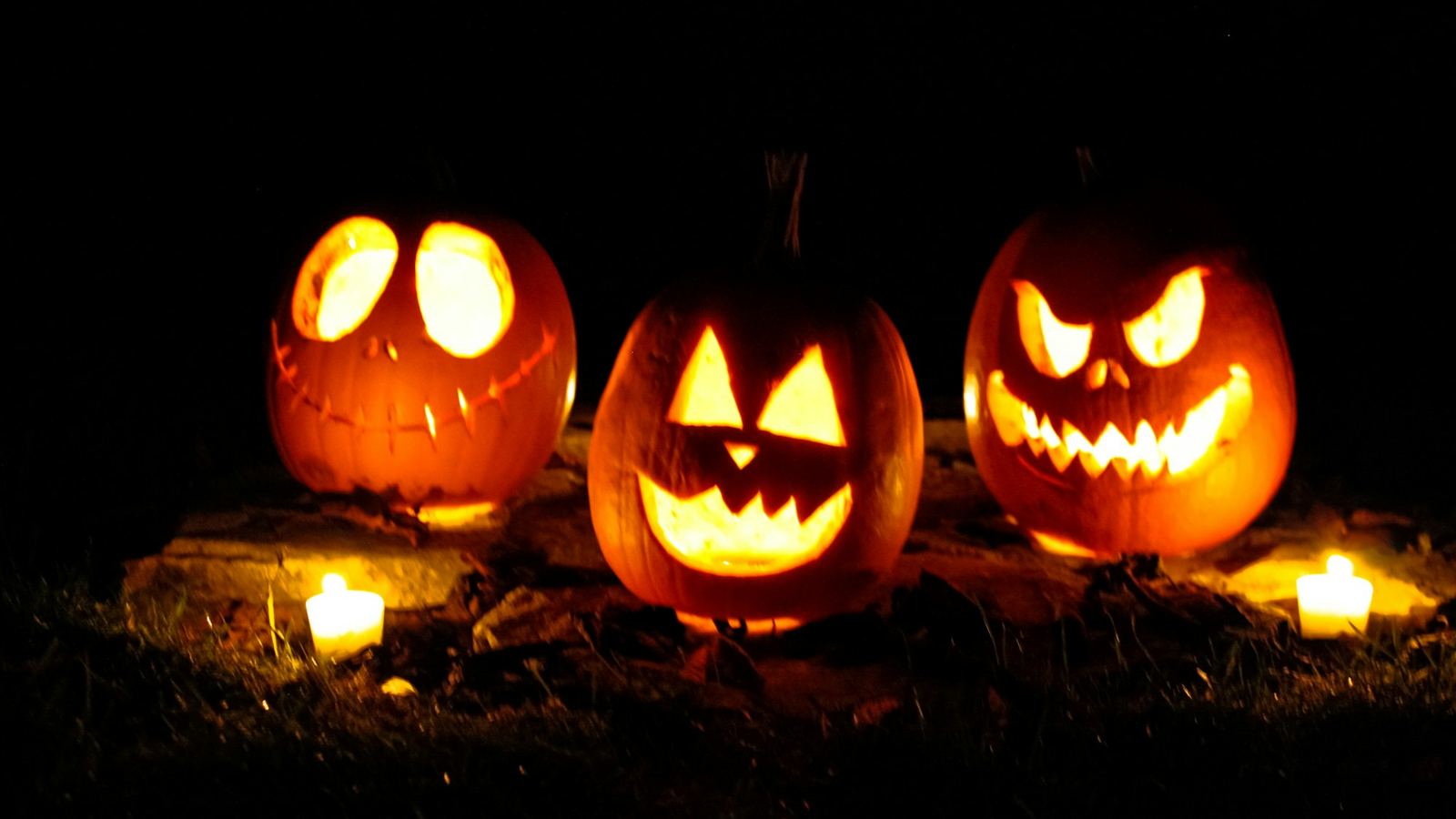
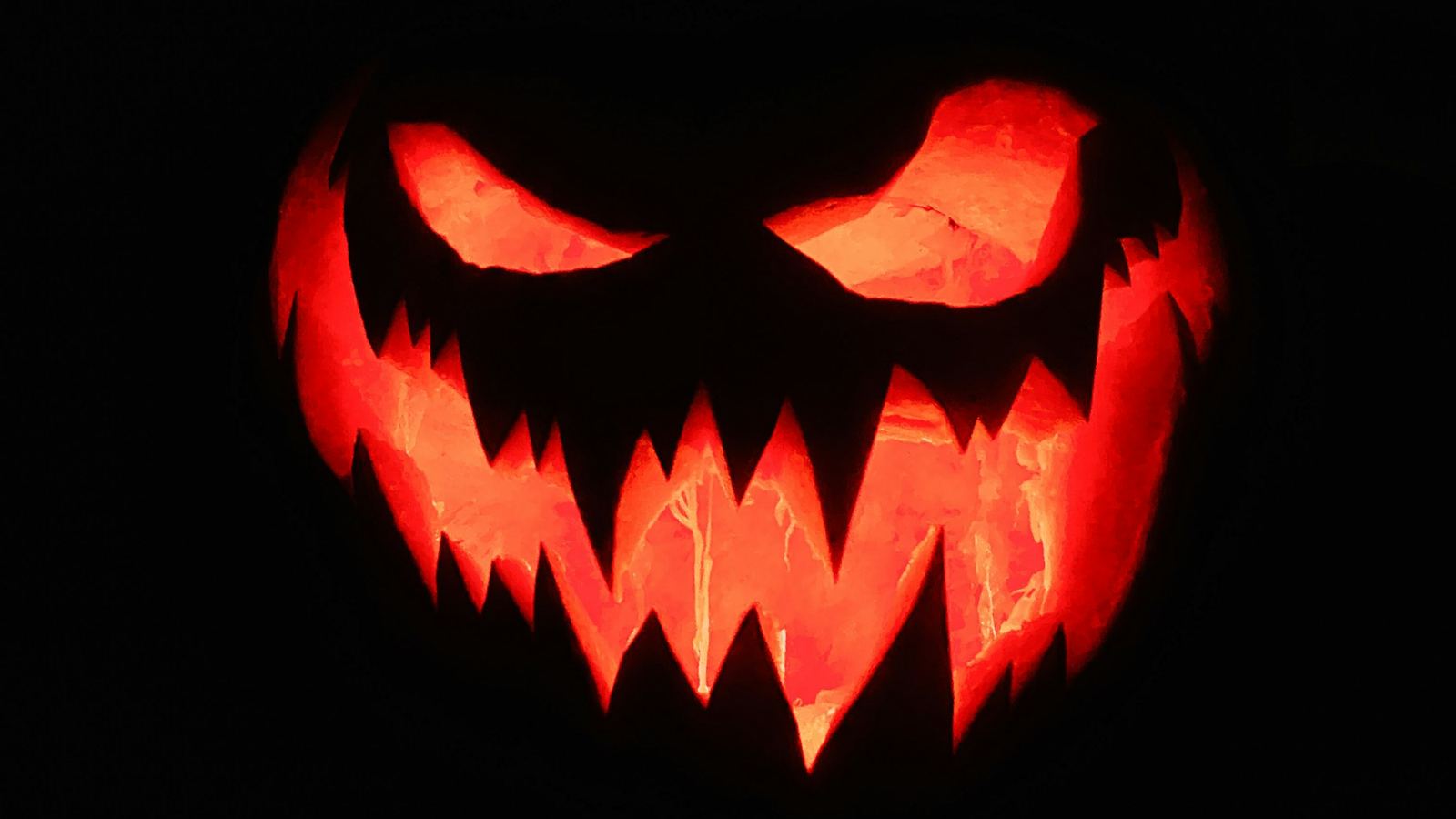
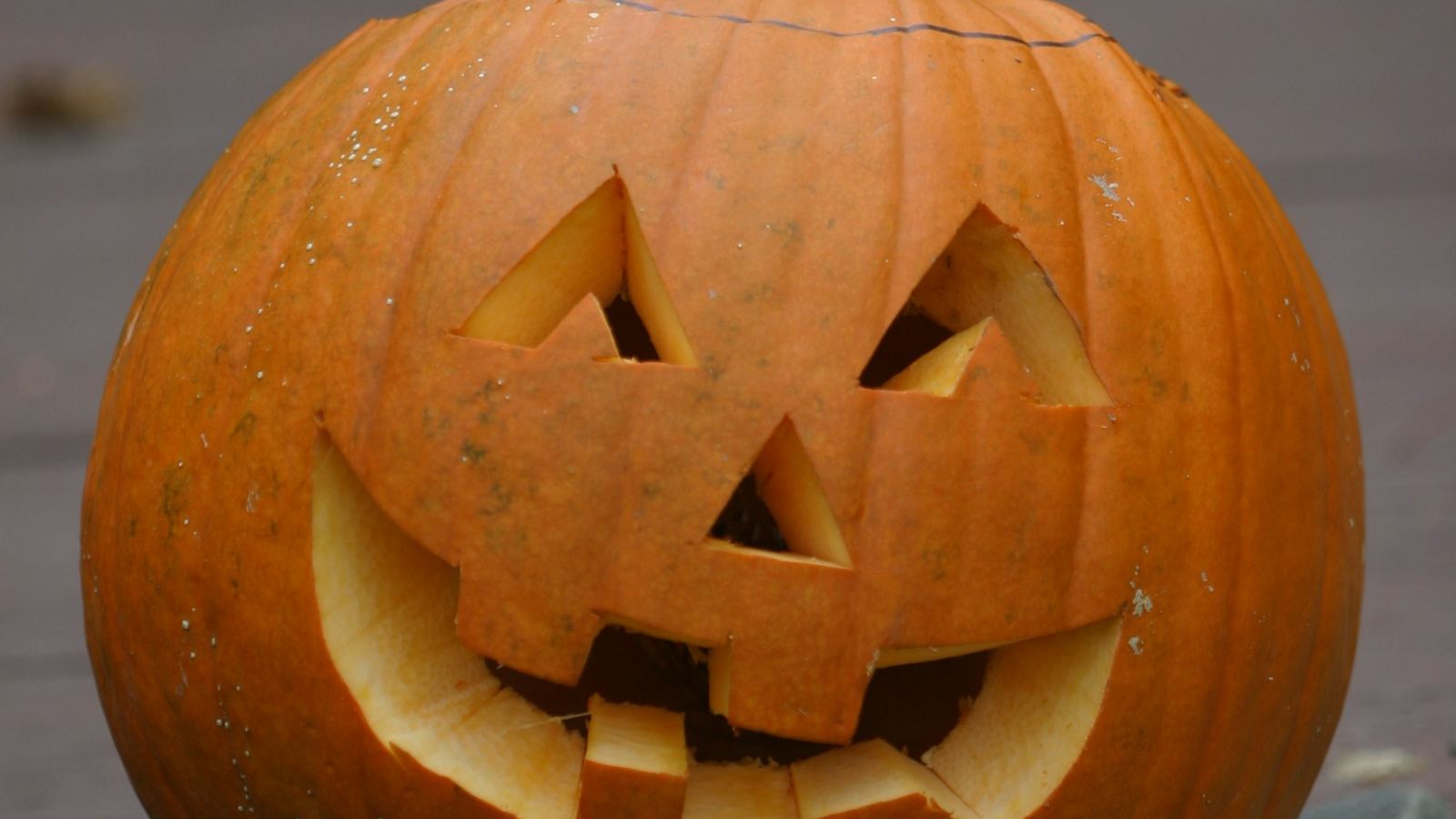
- Jack-o'-lanterns come from the Irish legend of "Stingy Jack," a trickster doomed to wander the night with only a burning coal inside a carved-out turnip to light his way. Irish immigrants swapped the turnip for America's plentiful pumpkin — and a tradition was born.
- Trick-or-treating likely descends from the medieval practice of "souling," when the poor went door to door offering prayers for the dead in exchange for "soul cakes."
- Costumes trace back to those Samhain disguises meant to fool wandering spirits.
- The color scheme — orange for the autumn harvest, black for the long dark of winter — has stuck for centuries.
Halloween around the world
Not everyone celebrates the same way — and some related traditions are far older and deeper:
- Mexico honors Día de los Muertos (Day of the Dead) on November 1–2 — a vibrant, loving remembrance of family who have passed, with marigolds, sugar skulls, and ofrendas.
- Ireland and Scotland, Halloween's homeland, still light bonfires and play games like apple-bobbing.
- Japan has embraced Halloween as a massive costume-and-street-party occasion, especially in Tokyo.
- Many countries simply mark the quieter, older observances of All Saints' and All Souls' Days.
Fun facts to spook you
- Americans buy an enormous amount of candy for Halloween each year — it's one of the biggest confectionery seasons on the calendar.
- The world record for the heaviest pumpkin tips the scales at well over a ton.
- Candy corn was originally called "chicken feed" when it first appeared in the 1880s.
- The fear of Halloween even has a name: Samhainophobia.
- Trick-or-treating as we know it only became widespread in the United States in the mid-20th century.
Fun ways to celebrate Halloween
Whether you're going all-out or keeping it cozy, here are a few ways to make the most of the night:
- Carve a jack-o'-lantern — a classic for a reason. Roast the seeds while you're at it.
- Throw a costume party, from a low-key gathering to a full haunted house.
- Host a horror-movie marathon with themed snacks.
- Take the kids trick-or-treating — or hand out the good candy and watch the parade go by.
- Run a pumpkin-carving or costume contest with friends or coworkers.
- Bake something spooky — the internet is bottomless on Halloween treats.
- Visit a pumpkin patch, corn maze, or haunted trail for the full autumn experience.
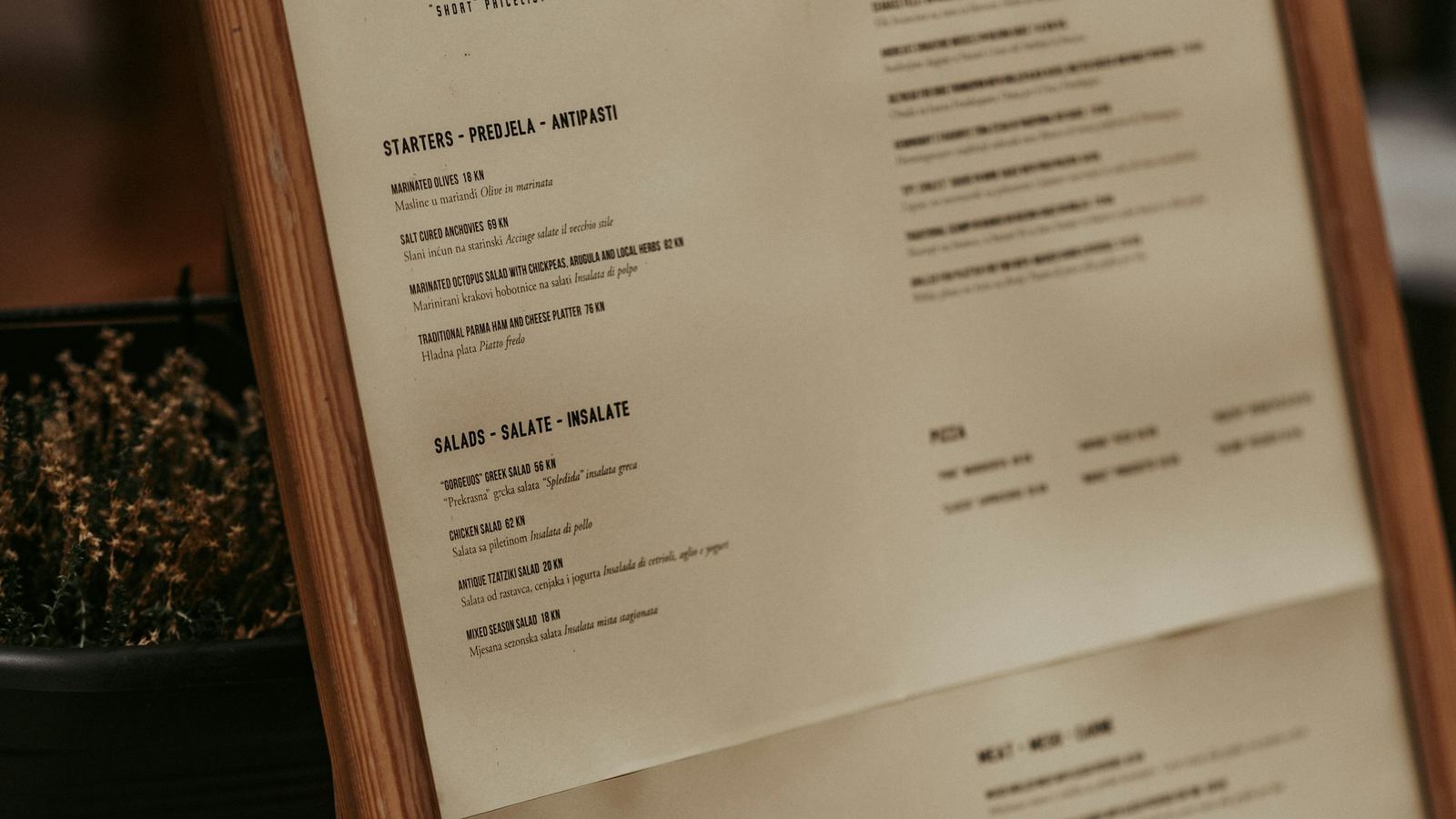
Own a café, restaurant, or bar? Halloween is a genuinely big night out, and a themed special — a spiced latte, a "monster" burger, a spooky cocktail — draws a crowd. One small tip: if your menu lives on a QR-code menu, you can add a limited-time Halloween item in seconds and pull it on November 1, no reprinting required.
However you spend it, Halloween is really a celebration of the season's turn — a chance to be a little spooked, a little silly, and a lot more neighborly than usual.
FAQ
When is Halloween 2026?
Halloween is on Saturday, October 31, 2026 — the same date every year, the eve of All Saints' Day.
Why do we celebrate Halloween on October 31?
It's the eve of All Saints' Day (November 1) and traces back to the ancient Celtic festival of Samhain, which marked the end of harvest and a night when the living and dead were thought to draw close.
Why do we carve pumpkins?
The tradition comes from the Irish legend of "Stingy Jack," who carried a coal in a carved turnip. Irish immigrants to America switched to pumpkins, which were larger and easier to carve.
Is Halloween the same as Day of the Dead?
No. Day of the Dead (Día de los Muertos) is a distinct Mexican tradition on November 1–2 that lovingly remembers deceased family members — related in timing, but different in meaning and mood.
Serving up something spooky?
Add a Halloween special to a QR-code menu in seconds — and clear it just as fast on November 1.