National Coffee Day 2026: History, Fun Facts & How to Celebrate
When is National Coffee Day 2026? The date, the surprising history of coffee from Ethiopian goats to "penny universities", fun facts, and the best ways to celebrate.
There's a small ritual most of us never think about. The kettle's rising hiss, the first dark curl of steam, that initial sip that quietly tells the day it can begin. Coffee is the world's most companionable drink — poured for first dates and last goodbyes, for 3 a.m. deadlines and slow Sunday mornings. So it's only fair the drink gets a day of its own.
National Coffee Day is that day: a yearly excuse to slow down, brew something good, and appreciate the long, strange journey that put a cup in your hands — a journey that runs from a hillside in Ethiopia to the mug on your desk right now.
When is National Coffee Day 2026?
In the United States, National Coffee Day falls on Tuesday, September 29, 2026. It lands on the same date every year. If you'd like an encore, International Coffee Day follows just two days later, on October 1 — the global version, coordinated by the International Coffee Organization to celebrate the growers and cultures behind the bean.
Two dates, one excellent excuse to have another cup.
What is National Coffee Day?
At its simplest, it's a celebration of coffee — the drink, the ritual, and the millions of people along the way who grow, roast, and pour it. For coffee lovers it's a nudge to try something new. For cafés and roasters it's one of the busiest, most joyful days of the year, often marked with free cups and special blends. And for everyone in between, it's a reminder that a very ordinary daily habit has a genuinely remarkable backstory.
A short history of coffee
Coffee's origin story begins, as the legend goes, with a herd of unusually energetic goats.
Sometime around the 9th century in the Ethiopian highlands, a goatherd named Kaldi is said to have noticed his flock refusing to sleep after nibbling the bright red cherries of a certain shrub. Curious, he tried them himself — and, the story says, felt the same lively spark. Whether or not Kaldi was real, the plant was: Coffea, native to Ethiopia, its cherries hiding the seeds we now call beans.
From Ethiopia, coffee crossed into Yemen, where by the 15th century Sufi monks were brewing qahwa to stay awake through night prayers. Yemen's port of Mocha gave the drink both a trade route and a name you still see on menus. Soon coffee houses — the famous qahveh khaneh — appeared across Mecca, Cairo, and Constantinople: places to talk, trade, play music, and argue politics.
When coffee reached Europe in the 1600s, those coffee houses became known in England as "penny universities" — for the price of a cup, you could sit for hours and soak up the conversation. Lloyd's of London, the famous insurance market, actually began life as a coffee house. In America, coffee got a patriotic boost after the Boston Tea Party, when turning away from British tea made a cup of coffee feel like a small act of independence. From there it became the fuel of an entire country — and, eventually, the world.
From farm to cup: how coffee is really made
The drink in your hand has already had a longer commute than you have. Here's the journey, briefly:
- Grown in the "coffee belt" — the band of tropical countries near the equator. Brazil, Vietnam, and Colombia lead the world in production.
- Picked by hand when the cherries ripen to a deep red. A single coffee tree yields only a few pounds of roastable coffee a year.
- Processed to free the seeds from the fruit — either washed (pulped and fermented) or natural (dried whole in the sun), each giving a different flavor.
- Dried, hulled, and sorted into the pale-green "green coffee" that gets shipped around the world.
- Roasted — where the magic (and the aroma) happens, as heat transforms grassy green beans into the fragrant brown ones we recognize.
- Ground and brewed — the final, quickest step, and the only one most of us ever see.
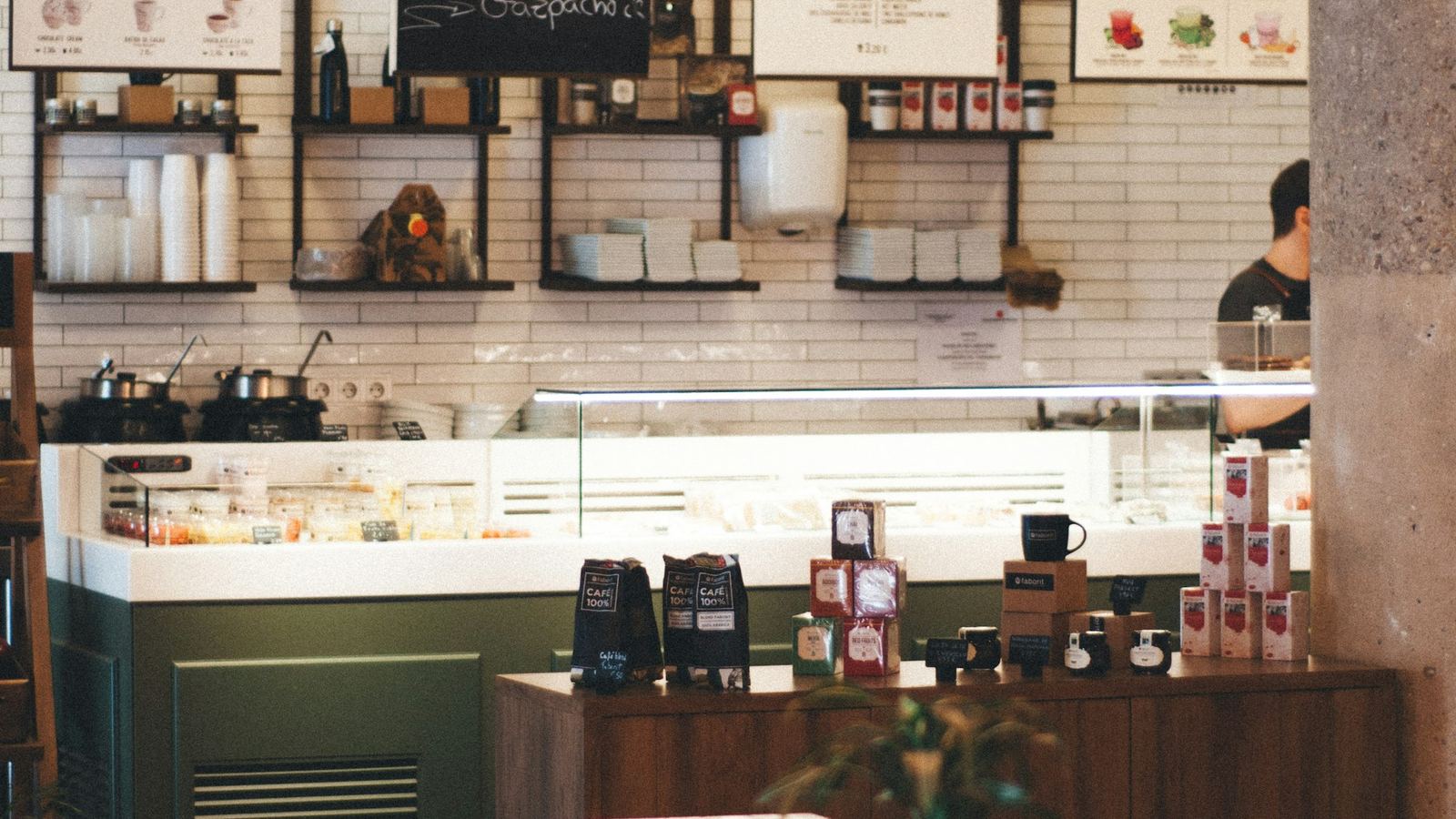
Arabica vs. Robusta: the two beans behind (almost) everything
Nearly all the coffee you drink comes from one of two species:
- Arabica — the softer, more aromatic bean, grown at higher altitudes. It makes up the majority of the world's coffee and dominates specialty cafés. Sweeter, more complex, a little more delicate to grow.
- Robusta — hardier, higher in caffeine, and more bitter. It's the backbone of many espresso blends (it's what gives a thick crema) and most instant coffee.
Neither is "better" — they're tools. A great espresso often blends both.
Coffee around the world
Part of what makes coffee worth celebrating is how differently the world drinks it:
- Italy gave us espresso, the cappuccino, and the standing-at-the-bar espresso al banco.
- Turkey's finely-ground, unfiltered coffee is so culturally significant that UNESCO recognized it as intangible cultural heritage.
- Ethiopia, coffee's homeland, still honors it with an hours-long coffee ceremony of roasting, brewing, and sharing.
- Finland is routinely ranked the world's heaviest coffee-drinking nation per person — no small feat.
- Vietnam built a whole culture around robusta beans, condensed milk, and even egg coffee.
- Sweden has fika, a daily ritual of coffee, something sweet, and deliberately doing nothing else.
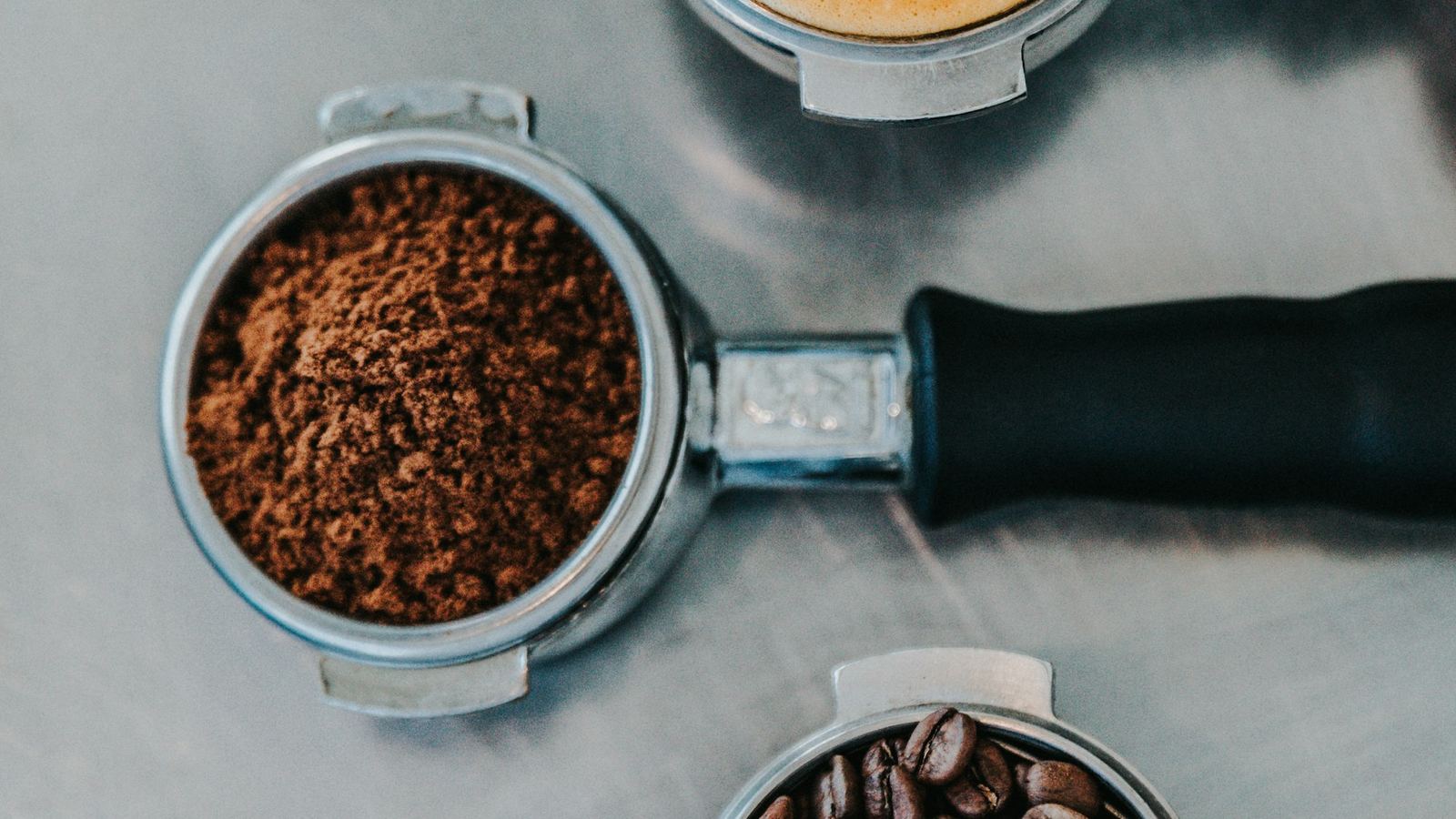
A quick guide to coffee drinks
If a café menu ever feels like a foreign language, here's the cheat sheet:
- Espresso — a small, concentrated shot brewed under pressure. The base for most café drinks.
- Americano — espresso topped with hot water; closer to drip coffee in strength.
- Latte — espresso with lots of steamed milk and a thin layer of foam. Mild and creamy.
- Cappuccino — roughly equal parts espresso, steamed milk, and airy foam. Stronger-tasting than a latte.
- Flat white — espresso with silky microfoam, smaller and more intense than a latte.
- Macchiato — espresso "stained" with just a spot of milk.
- Mocha — a latte with chocolate; dessert in a cup.
- Cold brew — coarse grounds steeped in cold water for 12–24 hours. Smooth, low in acidity, not the same as iced coffee.
- Pour-over — hot water poured slowly over a filter; a clean, precise cup that highlights a single origin.
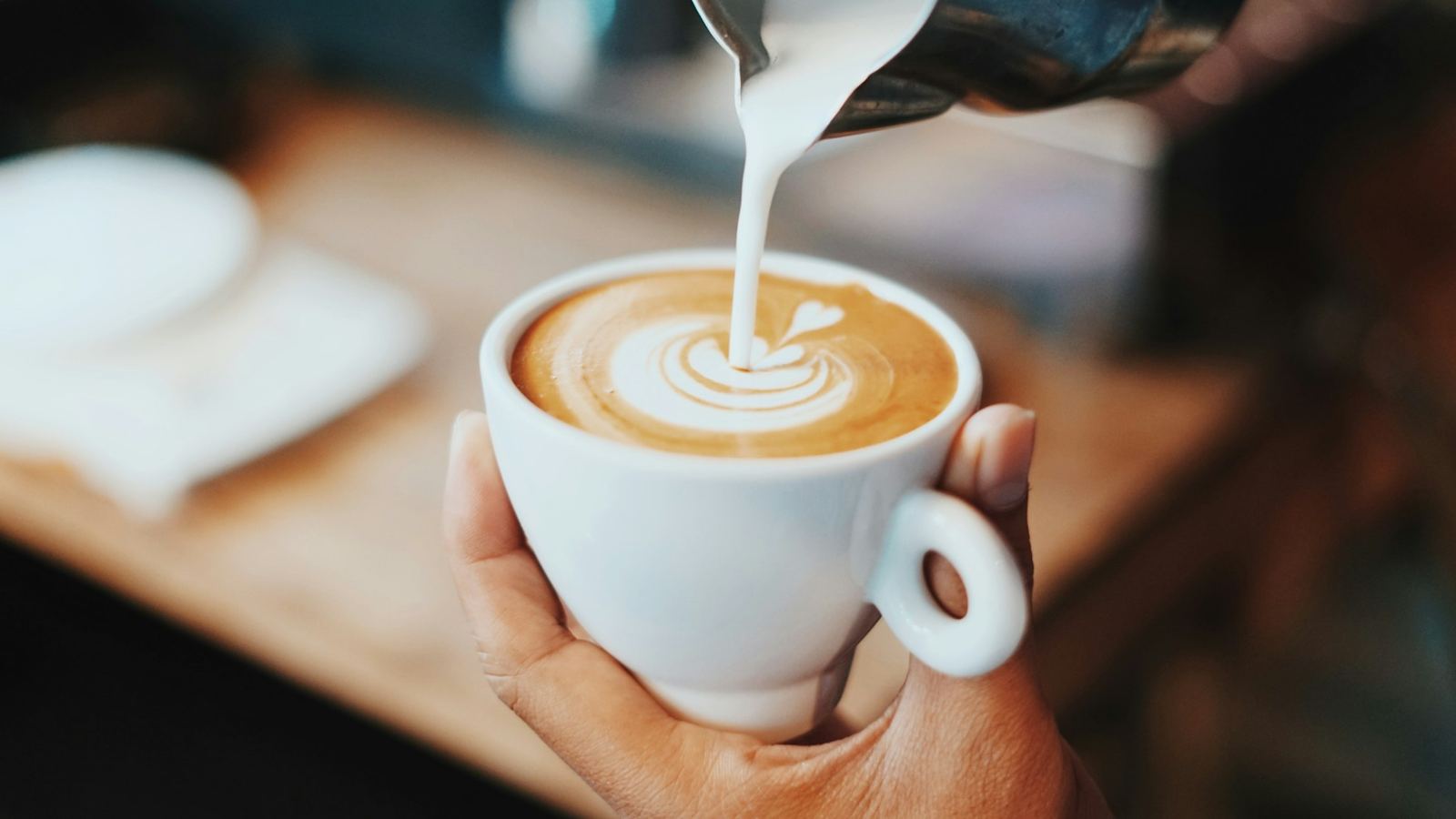
What that caffeine is actually doing
Coffee's kick isn't imaginary. As you go about your day, a molecule called adenosine builds up in your brain and makes you feel drowsy. Caffeine is shaped just enough like adenosine to slip into its parking spots and block it — so the tiredness signal never fully lands, and you feel alert.
It doesn't last forever. Caffeine has a half-life of roughly five to six hours, which is why that late-afternoon cup can quietly sabotage your sleep. Most health authorities consider up to about 400 mg a day — very roughly four cups — to be fine for most healthy adults, though everyone's tolerance differs.
Is coffee actually good for you?
Good news for the devoted: for most people, moderate coffee drinking is generally considered part of a healthy diet, and large observational studies have linked it with a range of possible benefits. Beyond the caffeine, coffee is one of the biggest sources of antioxidants in many people's diets.
That said, it isn't for everyone or every moment — too much can bring jitters, a racing heart, or poor sleep, and caffeine sensitivity, pregnancy, and certain conditions all change the picture. As always, this is general information, not medical advice: your body (and your doctor) get the final say.
Fun facts to sip on
- Those "beans" aren't beans at all — they're the seeds of a fruit, the coffee cherry.
- Coffee is among the most traded agricultural commodities in the world, supporting an estimated 100+ million people across the supply chain.
- The word "coffee" traces back through Dutch koffie and Turkish kahve to the Arabic qahwa.
- Decaf isn't caffeine-free — it just has far less than a regular cup.
- Espresso is a method, not a bean. It's simply coffee brewed under pressure.
- Brazil has been the world's largest coffee producer for over 150 years.
- One of the world's priciest coffees, kopi luwak, is (rather famously) collected from the droppings of a cat-like civet.
- There's even an espresso machine designed for space — astronauts aboard the International Space Station have brewed their own.
- People drink an estimated two billion-plus cups of coffee every day, worldwide.
How to celebrate National Coffee Day
You don't need much of a plan — that's rather the point — but here are a few good ways to mark it:
- Try a brew method you've never used. A French press, an AeroPress, or a slow pour-over can make your usual beans taste brand new.
- Visit a local, independent café. Independents are the heart of coffee culture — and many run specials on the day.
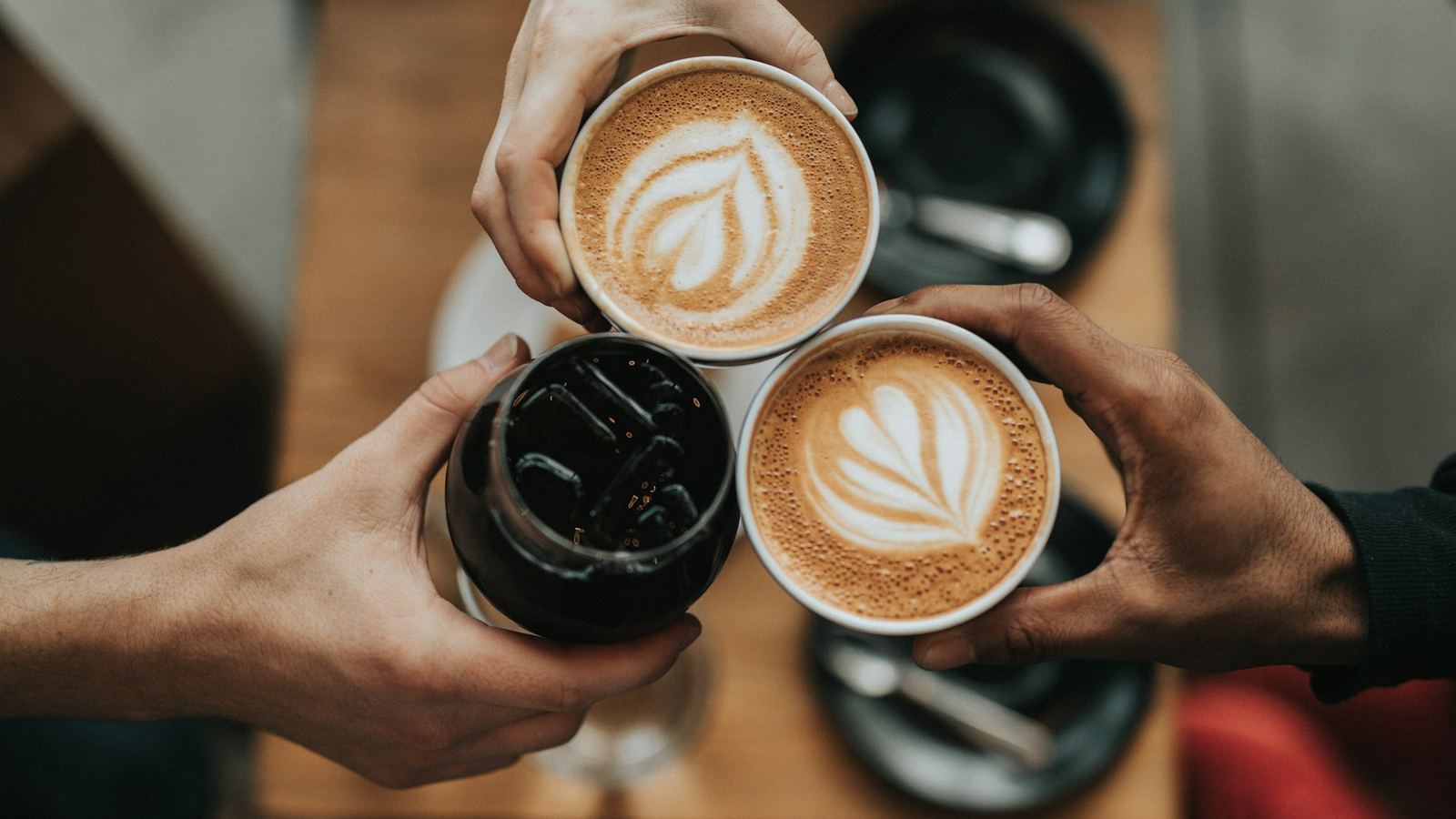
- Learn a little latte art. Even a wobbly heart in the foam feels like a win.
- Make cold brew at home. Coarse grounds, cold water, 12–18 hours in the fridge — almost impossible to get wrong.
- Gift someone a bag of good beans from a roaster you love.
- Host a tiny tasting. Brew two or three origins side by side and notice how different they really are.
- Go decaf after noon and see if your sleep thanks you.
- Thank a barista. They make hundreds of small moments better every single day.
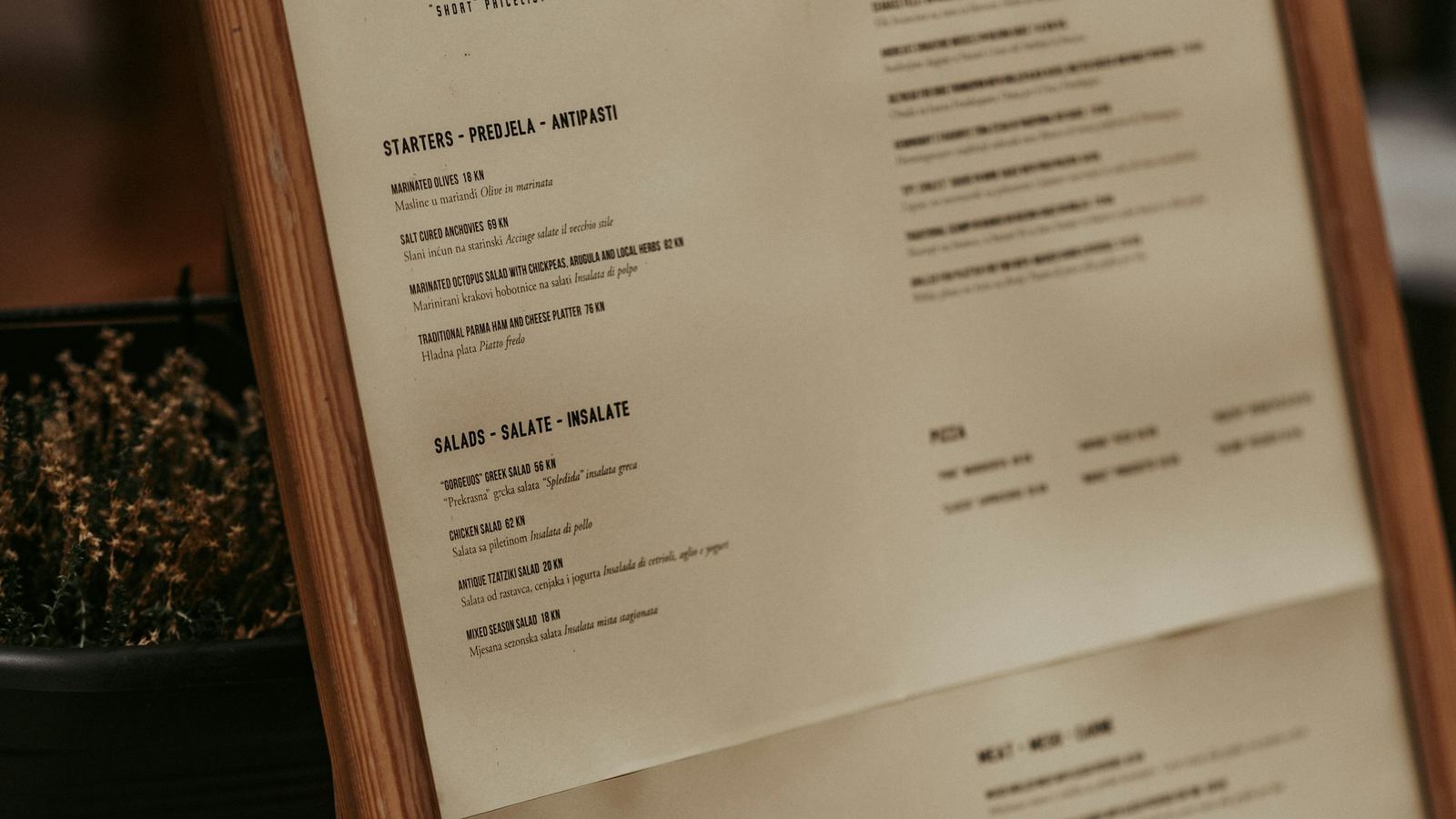
Running a café or coffee shop? National Coffee Day is one of the best foot-traffic days of the year, so a simple limited-time special goes a long way. One practical tip: if your menu lives on a QR-code menu, you can add the Coffee Day deal in seconds and quietly pull it once the day is over — no reprinting, no crossed-out specials board.
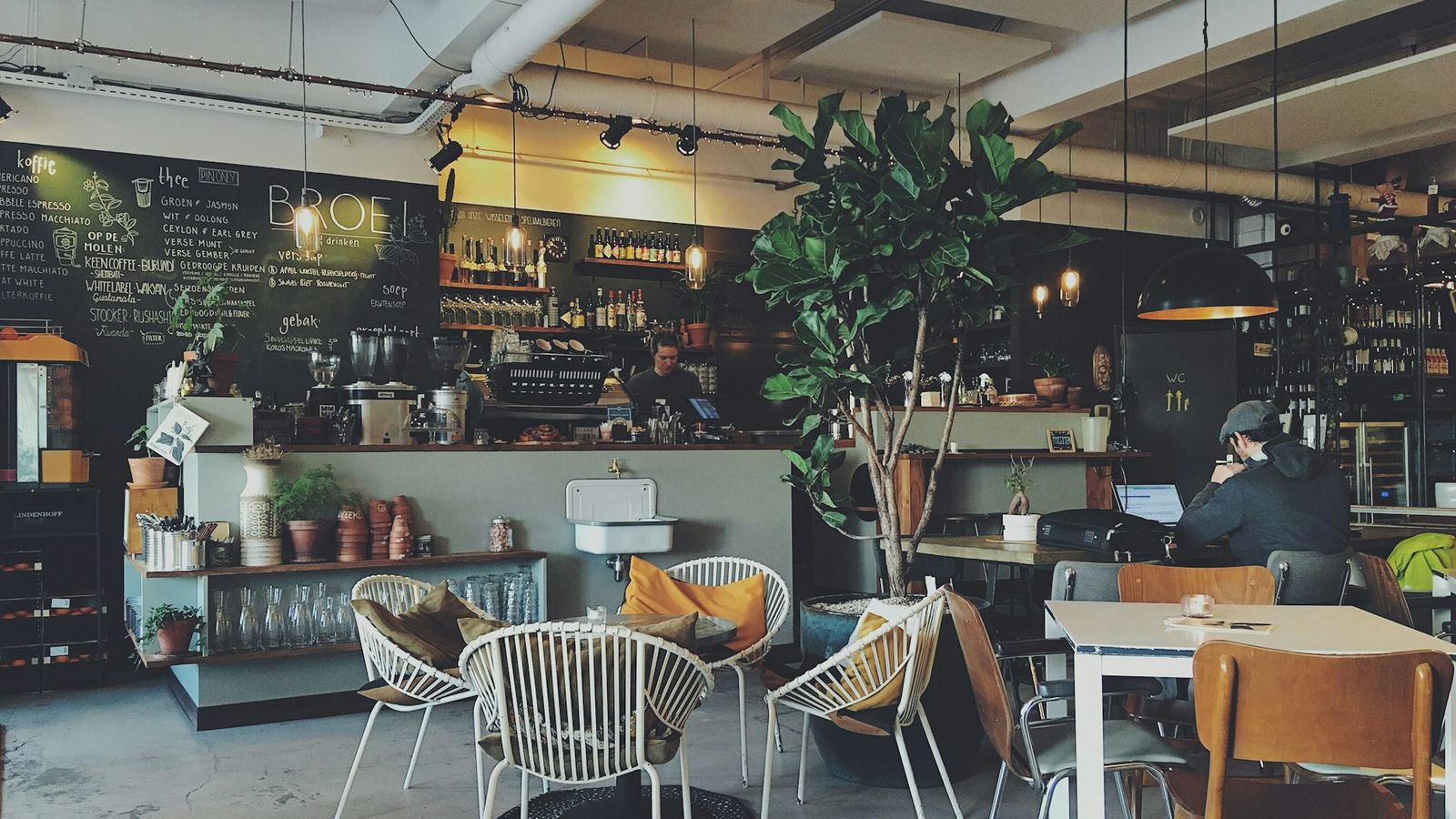
However you spend it, the best way to celebrate coffee is also the simplest: make a cup you enjoy, and take a minute to actually enjoy it.
FAQ
When is National Coffee Day 2026?
In the U.S., it's September 29, 2026 — the same date every year. International Coffee Day is separate, celebrated worldwide on October 1.
Is National Coffee Day the same as International Coffee Day?
No. National Coffee Day (Sept 29 in the U.S.) is a national observance, while International Coffee Day (Oct 1) is the global celebration coordinated by the International Coffee Organization.
Why do we celebrate National Coffee Day?
To appreciate coffee itself and the growers, roasters, and baristas behind it — and, for many, to enjoy the free cups and deals cafés offer on the day.
What's the difference between Arabica and Robusta coffee?
Arabica is smoother, more aromatic, and grown at higher altitudes; Robusta is hardier, more bitter, and higher in caffeine. Most specialty coffee is Arabica, while Robusta is common in espresso blends and instant coffee.
How much coffee a day is too much?
Many health authorities suggest up to around 400 mg of caffeine a day (roughly four cups) is fine for most healthy adults — but tolerance varies, so listen to your body.
Are there free coffee deals on National Coffee Day?
Often, yes — many cafés and coffee chains mark the day with free or discounted cups. It's worth checking your favorite local spots as the date approaches.
Run a café?
Add a Coffee Day special to a QR-code menu in seconds — and pull it just as fast.